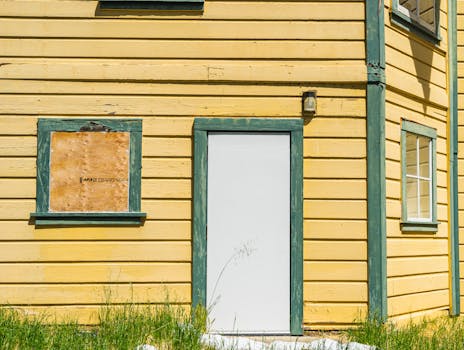

The perennial pursuit of curb appeal often clashes with the reality of homeownership: time and resources dedicated to upkeep. For many, the dream home comes with a hidden cost – hours spent painting, staining, and repairing. This is where the allure of low-maintenance home exterior materials truly shines. But what constitutes “low-maintenance” in a practical, long-term sense? It’s not merely about selecting a material that looks good initially; it’s about understanding its inherent durability, resistance to environmental factors, and the true cost of ownership over decades.
The statistics are compelling: homeowners can spend upwards of $500-$1,000 annually on exterior maintenance for traditional materials like wood. Investing in the right materials upfront can liberate homeowners from this recurring financial and temporal burden, allowing for greater enjoyment of their property and peace of mind. This exploration delves into the most effective materials that promise enduring aesthetics with minimal intervention, separating fact from marketing fiction.
The Foundation of Longevity: What Defines “Low-Maintenance”?
Before we dive into specific materials, it’s crucial to establish our parameters. True low-maintenance doesn’t mean “no maintenance.” It signifies a significant reduction in the frequency and intensity of upkeep required to preserve the material’s integrity and appearance. Key characteristics include:
Durability and Resilience: The ability to withstand harsh weather, UV radiation, pests (insects, rodents), and moisture without significant degradation.
Color Stability: Resistance to fading or chalking over time, reducing the need for repainting or refinishing.
Ease of Cleaning: Surfaces that can be cleaned effectively with simple soap and water or a mild pressure wash.
Resistance to Rot, Warp, and Corrosion: Materials that don’t succumb to common structural issues associated with moisture or age.
Minimal Specialized Skills: Installation and repair processes that don’t necessitate highly specialized, costly labor.
Understanding these benchmarks allows for a more analytical approach when evaluating your exterior material options. It’s about a holistic view of the material’s lifecycle, not just its initial appeal.
The Frontrunners in Durability and Design
When we talk about low-maintenance home exterior materials, several contenders consistently rise to the top. Their widespread adoption isn’t accidental; it’s a testament to their performance and aesthetic versatility.
#### Vinyl Siding: The Ubiquitous Choice for Ease
Vinyl siding has long been a popular choice for homeowners seeking affordability and ease of care. Its primary advantage lies in its inherent resistance to moisture and pests, eliminating the risk of rot and insect damage that plague wood.
Pros:
Cost-Effective: Generally one of the most budget-friendly siding options.
Wide Variety: Available in an extensive range of colors, styles, and textures, mimicking wood grain or offering sleek modern finishes.
Low Upkeep: Typically requires only occasional washing with soap and water to maintain its appearance.
Insect and Rot Resistant: Impervious to termites and other wood-boring insects.
Considerations:
Susceptible to Extreme Heat: Can warp or fade in prolonged, intense sun exposure, especially darker colors.
Impact Resistance: Can be brittle in very cold temperatures and may crack under significant impact.
Environmental Concerns: Manufacturing and disposal can have environmental implications, though recycling programs are improving.
Appearance: While designs have improved dramatically, some discerning eyes can still distinguish it from natural materials.
For many, particularly those on a tighter budget or in milder climates, vinyl siding offers an excellent balance of low maintenance and visual appeal.
#### Fiber Cement Siding: The Smart Investment in Resilience
Fiber cement siding, a composite of cement, sand, and cellulose fibers, has emerged as a premium option for homeowners prioritizing durability and a high-end aesthetic without the intensive upkeep of traditional wood. It offers a compelling blend of performance and versatility, making it a strong contender in the low-maintenance home exterior materials category.
Pros:
Exceptional Durability: Highly resistant to rot, insect infestation, fire, and extreme weather conditions.
Mimics Natural Materials: Can convincingly replicate the look of wood clapboard, shingles, and stucco.
Excellent Color Retention: Holds paint exceptionally well, offering longevity and reducing repainting frequency.
Low Maintenance: Requires only occasional cleaning and repainting (typically every 10-15 years, depending on paint quality).
Considerations:
Higher Initial Cost: More expensive than vinyl siding, both in material and installation.
Weight: It’s a heavy material, requiring a sturdier structural framing and specialized installation techniques.
Dust Hazard: Cutting fiber cement generates silica dust, necessitating proper safety precautions and equipment during installation.
Fiber cement is often the choice for those looking to invest in a long-lasting, sophisticated exterior that requires minimal intervention over its lifespan. I’ve seen many homes clad in fiber cement that still look brand new after a decade, a testament to its inherent resilience.
#### Engineered Wood Siding: The Best of Both Worlds?
Engineered wood siding, often referred to by brand names like LP SmartSide, offers a compelling compromise between the natural beauty of wood and the durability of composite materials. It’s manufactured from wood strands treated with resins and binders, creating a material that resists many of the issues plaguing traditional lumber.
Pros:
Wood Aesthetics: Provides the look and feel of real wood without the inherent vulnerabilities.
Moisture and Pest Resistance: Significantly more resistant to rot, fungal decay, and insect damage than solid wood.
Durability: Often comes with long warranties against delamination and structural integrity.
Paintability: Takes paint very well, allowing for custom color choices and good color retention.
Considerations:
Requires Painting: Unlike vinyl or fiber cement, engineered wood typically requires painting or staining for protection and aesthetics. While the paint lasts longer than on natural wood, it’s still a periodic maintenance task.
Installation Precision: Proper installation, especially at joints and edges, is critical to prevent moisture intrusion.
While not entirely “set it and forget it,” engineered wood offers a significantly lower maintenance alternative to traditional wood, appealing to those who value natural aesthetics but want to avoid constant upkeep.
Beyond Siding: Cladding and Accents for Minimalist Exteriors
The conversation around low-maintenance home exterior materials extends beyond just the primary siding. Architectural accents and alternative cladding can play a significant role in reducing overall upkeep.
#### Stone and Brick Veneer: Timeless Elegance, Enduring Performance
Natural stone and brick have been building materials for centuries, and for good reason. Their inherent durability and aesthetic appeal are undeniable. Modern veneer options offer the same benefits with less structural demand.
Pros:
Unmatched Durability: Virtually impervious to rot, pests, fire, and extreme weather.
Timeless Aesthetics: Offers a classic, substantial look that never goes out of style.
Minimal Maintenance: Requires very little beyond occasional cleaning of the mortar joints if necessary.
Increased Home Value: Often perceived as a premium upgrade that can enhance resale value.
Considerations:
High Initial Cost: One of the most expensive exterior materials, both for the product and skilled installation.
Mortar Maintenance: While infrequent, mortar joints can eventually require repointing.
Limited Color/Style Options: Compared to siding, the palette is more constrained by the natural availability of stone and brick.
Stone and brick veneer are investments in longevity and a sophisticated appearance. They are exceptionally low-maintenance, often outlasting the homeowners themselves.
#### Metal Roofing and Cladding: Modern Durability
While often thought of for roofing, metal is increasingly being used for exterior cladding, offering exceptional durability and a modern aesthetic. Steel, aluminum, and copper are common choices.
Pros:
Extreme Durability: Highly resistant to fire, rot, insects, and can withstand high winds.
Low Maintenance: Requires minimal cleaning and is often coated for fade resistance.
Environmentally Friendly: Highly recyclable.
Unique Aesthetics: Offers a sleek, contemporary look or can mimic other materials.
Considerations:
Cost: Can be a significant upfront investment.
Noise: Can be noisier during heavy rain or hail if not properly insulated.
Denting: Some softer metals can be susceptible to denting from severe impact.
Metal cladding represents a forward-thinking approach to exterior design, prioritizing longevity and minimal intervention.
The Long-Term Equation: Cost, Environment, and Lifestyle
When selecting low-maintenance home exterior materials, it’s essential to consider the entire lifecycle cost, not just the initial purchase price. A seemingly cheaper material might require more frequent repairs, refinishing, or replacement over time, ultimately costing more.
Furthermore, think about your lifestyle. Are you someone who enjoys weekend DIY projects, or do you prefer to spend your free time elsewhere? The “low-maintenance” label should align with your personal preferences and available resources.
Wrapping Up: Prioritizing Peace of Mind Through Smart Material Choices
Ultimately, the quest for low-maintenance home exterior materials is about a strategic investment in your home’s future and your personal well-being. By understanding the nuances of durability, resistance, and ongoing care, you can make informed decisions that minimize upkeep, maximize aesthetic longevity, and free up your valuable time. Whether you lean towards the practicality of vinyl, the robust elegance of fiber cement, the classic appeal of stone, or the modern durability of metal, the right choice ensures your home not only looks good but stays good, with significantly less effort. It’s about building a home that works for you, not against you, over the long haul.